Delegates from 196 countries and the European Union met in Mongolia in August 2026 for the UN Convention on Land and Desertification, known as Cop17. The summit focused on addressing drought and desertification, but negotiations were often slow and inconclusive, with some sessions lasting until 4am. The final session concluded late on August 29 at 2:36am. Despite the effort, no clear agreement was reached on a binding global drought protocol, and the issue will be revisited at the next summit in Egypt in 2027.
Drought was a central topic of debate. South Africa, representing the African Group and Togo, pushed for a legally binding international agreement to address drought. However, the UK, Australia, and Cook Islands opposed such a binding instrument. India and Suriname supported a more flexible, country-specific approach. After days of discussions and bilateral talks, the summit announced a deferral, meaning the issue would be revisited later. Countries remained divided on the strictness of any agreement, the way to define the problem, and whether responsibility should be global or national.
Drought is not just a problem in Mongolia. In the UK, severe droughts have led to empty reservoirs and water restrictions, with 71.3% of England still in drought. Globally, climate change has caused droughts and floods on every continent, including Antarctica. In August 2026, a catastrophic mud and rock slide in the Himalayas, triggered by a glacial collapse, caused devastating floods on the Nepal-Tibet border, with the death toll continuing to rise. These events highlight the growing global impact of climate-related disasters.
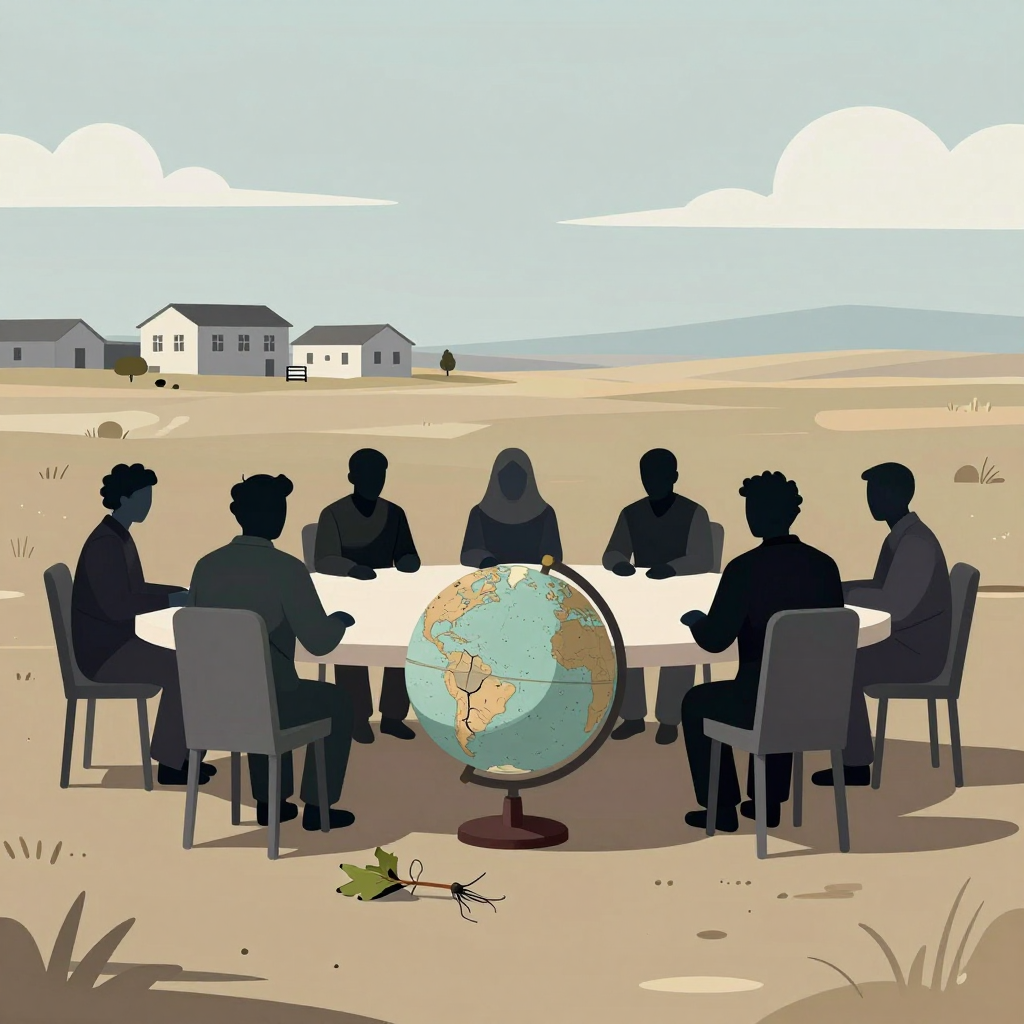
Despite the urgency, delegates at Cop17 struggled to agree on how to address drought. They disagreed on the strictness of any commitments, how to describe the issue, and whether the responsibility should be shared globally or handled by individual countries. This disagreement reflects a broader challenge: the three main UN environmental treaties—on climate, biodiversity, and land—operate as separate systems with different rules and reporting structures. This fragmentation made it difficult to create a unified approach, even though the three issues are deeply interconnected.
The United Nations Convention to Combat Desertification (UNCCD) is the only global treaty specifically focused on land degradation, desertification, and drought. Established in 1994 after the Earth Summit in Brazil, it is part of the Rio conventions, which also include treaties on climate and biodiversity. These three treaties are meant to work together, but their separate structures have led to challenges in coordination. During Cop17, the U.S. blocked an agenda item on "synergies," or cooperation between the three treaties, highlighting the ongoing difficulty in uniting them.
The legal connection between drought, climate, and human rights was already addressed in an advisory opinion from the International Court of Justice (ICJ) in 2025. The ICJ recognized drought as a serious issue affecting basic human rights and linked it to climate obligations. However, this legal guidance was not referenced during the Cop17 negotiations, despite its potential to shape the discussion. The absence of this information in the summit’s discussions was notable, underscoring the gap between legal principles and political negotiations.
UN Desertification Summit Fails to Reach Binding Agreement on Drought
AI-rewritten from original reportingHow it works
droughtcop17unccdclimatechange


