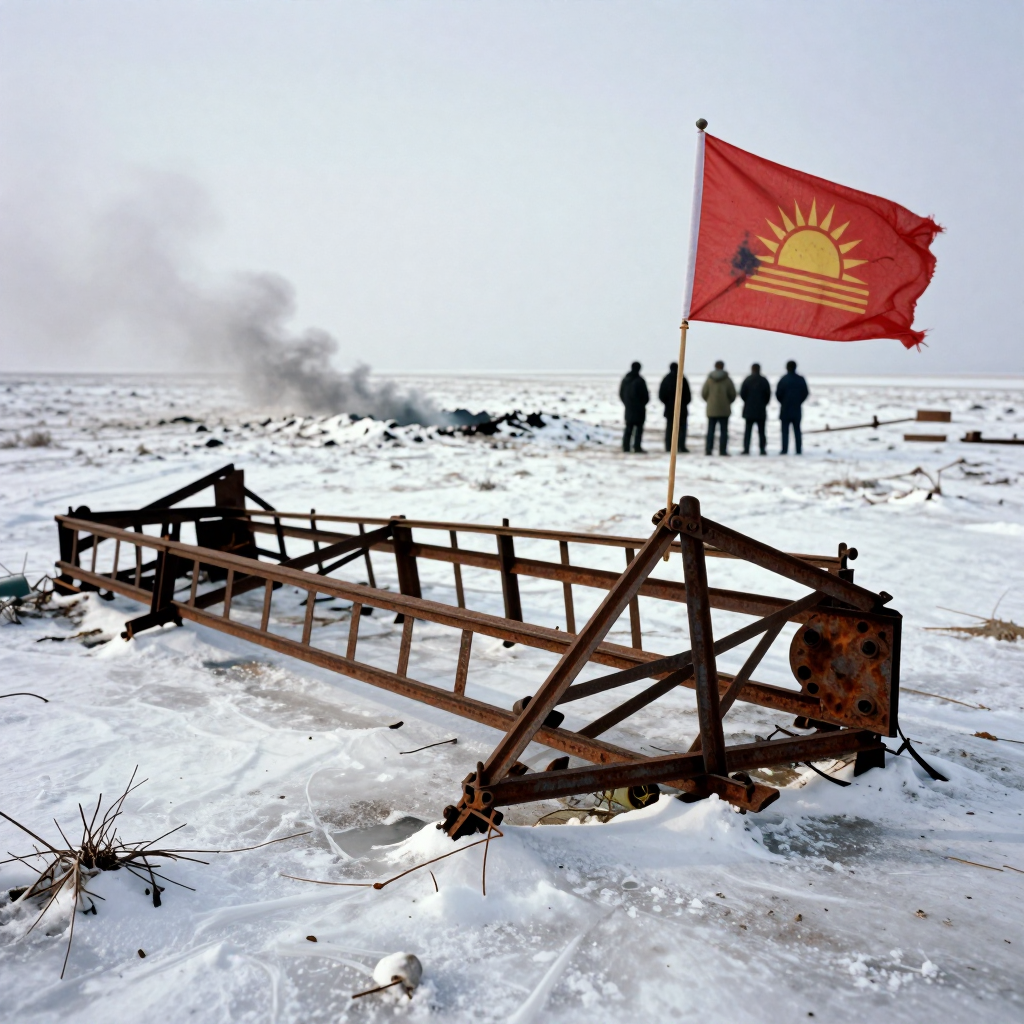
On January 24, 1978, a Soviet spy satellite named Kosmos 954, part of the USSR’s RORSAT program, fell back to Earth and broke apart in the atmosphere over the Canadian Northwest Territories, near Great Slave Lake. The satellite was designed for maritime surveillance using a powerful radar system, which required a small nuclear reactor fueled by highly enriched uranium. The reactor was meant to be placed in a higher orbit after the mission, but a malfunction in the satellite’s stabilization system caused it to re-enter Earth’s atmosphere unpredictably.
As Kosmos 954 disintegrated, it scattered radioactive debris over an area of about 600 kilometers, affecting parts of Alberta and Saskatchewan. Initially, the Soviet Union claimed the satellite had been completely destroyed during re-entry, but later investigations suggested otherwise. In response, Canada and the United States launched a joint recovery mission called Operation Morning Light, which spanned 124,000 square kilometers. The operation occurred in two phases, from January 24 to April 20, 1978, and continued until October of the same year. Despite these extensive efforts, only about 0.1 percent of the satellite’s radioactive material was recovered.
The incident led to a diplomatic resolution in 1981, with the USSR compensating Canada approximately 3 million Canadian dollars for the damages caused. This event reignited global discussions about the risks of using nuclear materials in space technology, especially when such systems fail or become uncontrollable. The Dene Indigenous communities in the affected regions have raised concerns about long-term health impacts, including higher rates of cancer, though the full extent of these effects remains difficult to assess.
Kosmos 954’s re-entry is now recognized as the first and only recorded space nuclear accident in history. It serves as a cautionary tale about the potential dangers of space exploration involving nuclear power and underscores the importance of international cooperation in managing such risks. The event remains a significant milestone in the history of space policy and environmental safety.
Soviet Satellite Disintegration Sparks International Debate on Space Nuclear Risks
AI-rewritten from original reportingHow it works

sovietnuclearspacecanadaradiationrorsat