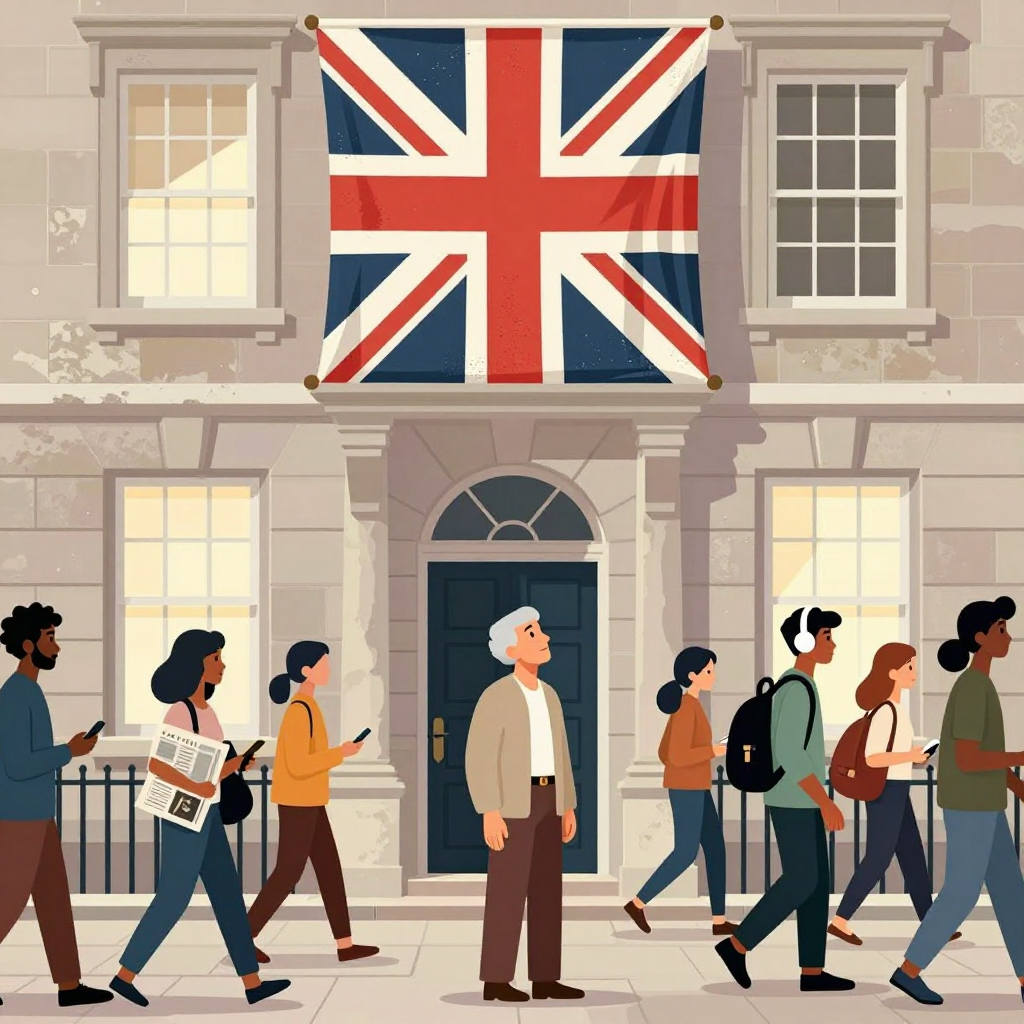
“Kéta interdite” was a common sign at the entrance to parties during the 2000s, similar to rules prohibiting dogs, ball games, or shoes indoors. This rule aimed to prevent disruptions at social gatherings, especially as drugs like cocaine and pills were often present at such events, particularly in West London. The article highlights ketamine as a drug that is considered “selfish” because its effects are primarily internal, causing users to become detached from the social environment around them. It also mentions Australia being on alert after the discovery of an unknown drug and touches on the use of psychedelic substances in Silicon Valley, including in workplaces. A French senator’s speech about ketamine went viral in the United States, further drawing attention to the drug’s role in both social and political contexts.
The article also discusses The Times, the oldest and most well-known British daily newspaper. Since 1981, The Times has been owned by News UK, a media company controlled by billionaire Rupert Murdoch. The paper is known for its conservative stance and is considered the voice of the establishment in Britain. It opposed the UK’s exit from the European Union in 2016 and continues to support strong relations with the continent. The Times has around 360,000 paper readers and more than 400,000 digital subscribers.
During the Russian invasion of Ukraine in February 2022, The Times website recorded 1,000 new subscriptions per day, highlighting the paper’s strong coverage of international news. Seven reporters worked continuously to cover the conflict. In 2020, News UK launched Times Radio, a general radio station aimed at competing with BBC Radio 4. The station attracted half a million listeners per week, showing the growing reach of the Times brand beyond print.
The article connects these diverse topics—party rules, drug use, media influence, and international news—to illustrate how cultural and political trends shape public discourse. From social gatherings to global conflicts, these elements reflect broader societal shifts and the evolving role of media in shaping public opinion.
Ketamine Use and The Times' Journalism in the UK
AI-rewritten from original reportingHow it works

ketaminepartiesthe-timesnews-ukuk-mediadrug-culture