Survivors of the 1960 Sharpeville massacre in South Africa are seeking justice through the courts, nearly six decades after police opened fire on peaceful protesters, killing at least 69 people. The event was a turning point in the anti-apartheid movement and exposed the brutality of the white-minority government’s rule. Abraham Mofokeng, an 86-year-old survivor, still bears the physical scars of that day, including a bullet lodged in his spine and a limp from a gunshot wound to his leg. He was among thousands of black South Africans who gathered to protest against the oppressive pass laws that restricted their freedom of movement. Mofokeng described how, under apartheid, black people were treated as mere laborers and stripped of basic rights.
The violence at Sharpeville was not only a moment of profound tragedy but also a symbol of the apartheid regime’s disregard for human life. In the year following the massacre, the government passed the Indemnity Act, which shielded those responsible from legal consequences. This law has long been seen as a barrier to justice, and now, Mofokeng is part of a legal challenge aimed at overturning it. A coalition of South African and UK-based legal organizations has filed a case at the High Court, arguing that the 1961 law is unconstitutional under the current South African constitution. The case also seeks to allow victims and their families to file a class action lawsuit against the state.
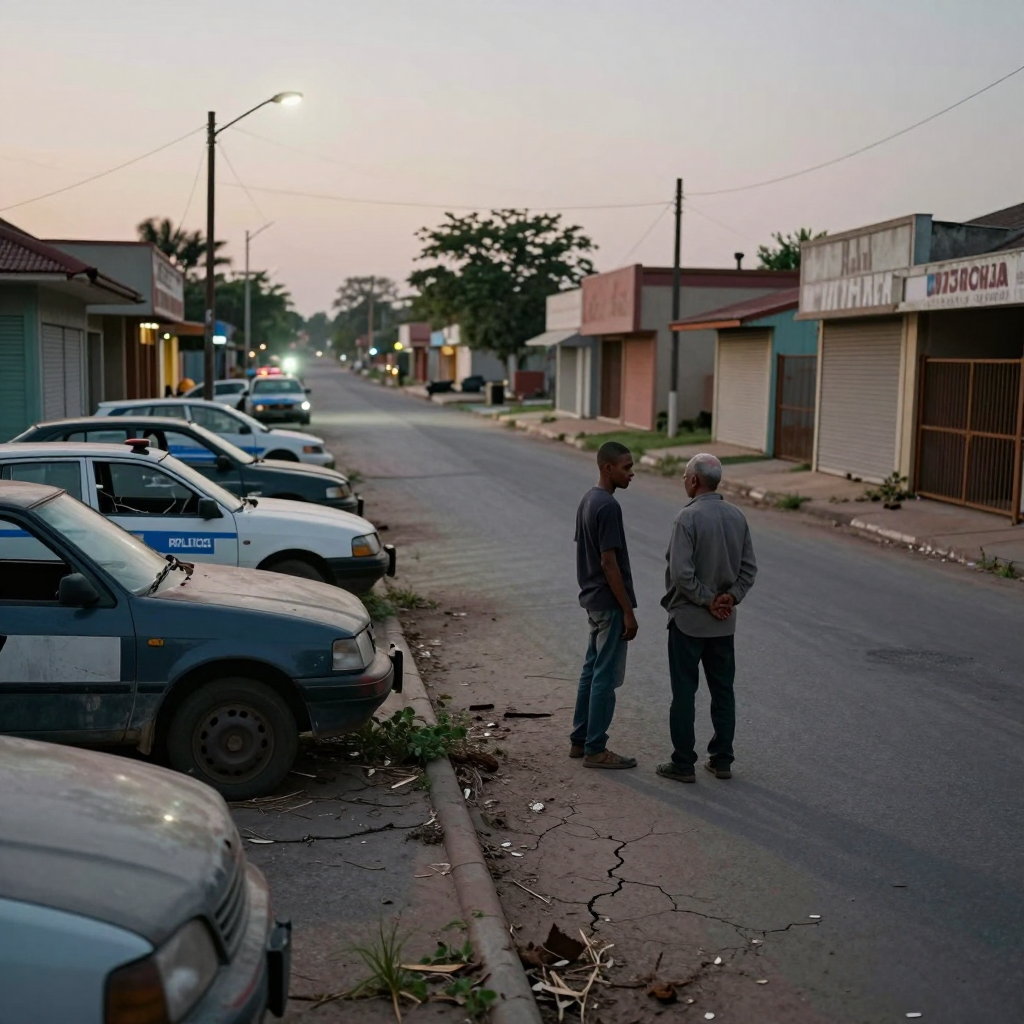
The township of Sharpeville, where the massacre occurred, now faces significant decay, with crumbling infrastructure and remnants of the apartheid era. A memorial park, the Human Rights Precinct, stands as a tribute to the victims, with 69 white pillars representing each life lost. The Truth and Reconciliation Commission (TRC), established after the end of apartheid, investigated human rights abuses, but many survivors feel that justice was not fully achieved. The TRC was praised for its efforts, but it faced criticism for not holding police accountable, as no officers applied for amnesty for the Sharpeville killings.
Legal experts support the ongoing effort to challenge the Indemnity Act, with some arguing that repealing it would help "clean up" the country’s legal framework and move forward from the past. While the South African government has provided reparations to some victims—$31 million in individual grants to 560 TRC-recognized victims—survivors hope that legal action will bring long-overdue closure and healing. They believe that confronting the past through the courts is a necessary step toward national reconciliation and justice.
Sharpeville Massacre Survivors Pursue Legal Action for Justice in South Africa
AI-rewritten from original reportingHow it works

sharpeville-massacreapartheidsouth-africalegal-actionindemnity-acthuman-rights