A French breeder faces a tough choice: harvest sorghum now for better quality or wait for more volume, amid drought and forage shortages.
Forage shortage prompts innovative planting
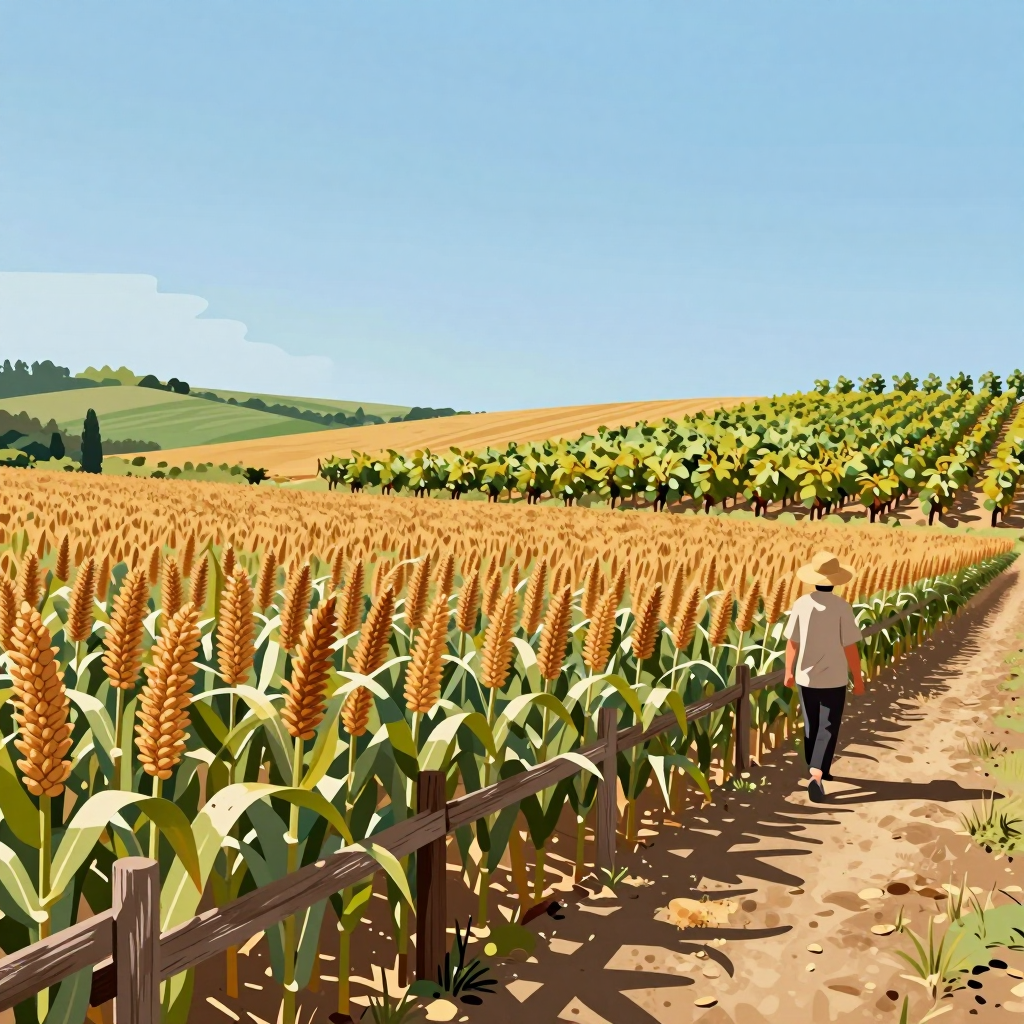
Frédéric Landreau, a breeder in Coron (Maine-et-Loire), planted multi-cut sorghum on a 7-hectare wheat field harvested in early August to address a forage deficit and ensure sufficient stock for the winter. The sorghum, intended for harvest at 60 days, was planted in dry soils, with irrigation being a key factor in the decision.Harvest timing dilemma
Landreau now faces a dilemma: harvest immediately or wait three weeks. Harvesting immediately would yield forage with better quality but lower volume, while waiting would result in higher volume but lower digestibility and protein value as the stalk lignifies.Expert advice and personal considerations
His crop advisor suggested the immediate harvest, but Landreau is leaning toward waiting to allow for better nitrogen correction and adapt based on forage analysis. However, the risk of temperature drops and persistent rains in October could complicate the harvest and preservation of forage.Dairy and beef cattle management
Landreau raises 62 dairy cows and 27 beef cows on 108 hectares, totaling 250 heads to feed. The animals have suffered from heat and drought, with a 20% loss in milk production. The first forage alerts appeared in spring, with a cold spring affecting corn growth and grass development.Crop yields and forage purchases
Heatwaves severely impacted crop yields, with sunflower yields at 12 quintals and wheat at 49 quintals, the lowest ever recorded. Landreau stored crops for the animals but had to purchase additional forage, including 13 tons of dry matter at 130 euros per ton, 30 km away. The only crop that thrived was rape, planted in August and unaffected by drought.Future planning and challenges
Landreau reflects on lessons learned, including the need to irrigate corn earlier and potentially sow sorghum a month earlier next year if forage stocks are insufficient. Wild boars have also been a concern, potentially influencing his decision to harvest sooner.