Jean, a 76-year-old EV enthusiast, chose the Ford Puma Gen E after careful research, despite challenges with charging and design flaws.
Electric vehicle interest begins in 2016
Jean, a resident of Ile-de-France, has been interested in electric vehicles since around 2016, driven by environmental concerns and a belief in the future of ecological driving. His engagement with the topic deepened in 2018 through participation in the Automobile Propre forum, an online community focused on sustainable transportation.Initial challenges with electric vehicle adoption
Jean felt ready to switch to an electric vehicle in 2020, but an issue with the Izivia charging network at the time prevented him from making the switch. He considered a Renault Captur plug-in hybrid but found the trunk too small for his needs, and ultimately opted for a thermal Renault Captur with a dual-clutch automatic transmission.Driving experience with a test electric vehicle
During a maintenance check, Jean was lent a Dacia Spring, an electric vehicle, which did not convince him of the benefits of electric driving. However, he remained convinced that an electric vehicle must provide a better driving experience than his current car. His wife, however, found electric driving more pleasant due to the quietness and One-Pedal driving system, which allows acceleration and braking with a single pedal.Budget and preferences for an electric car
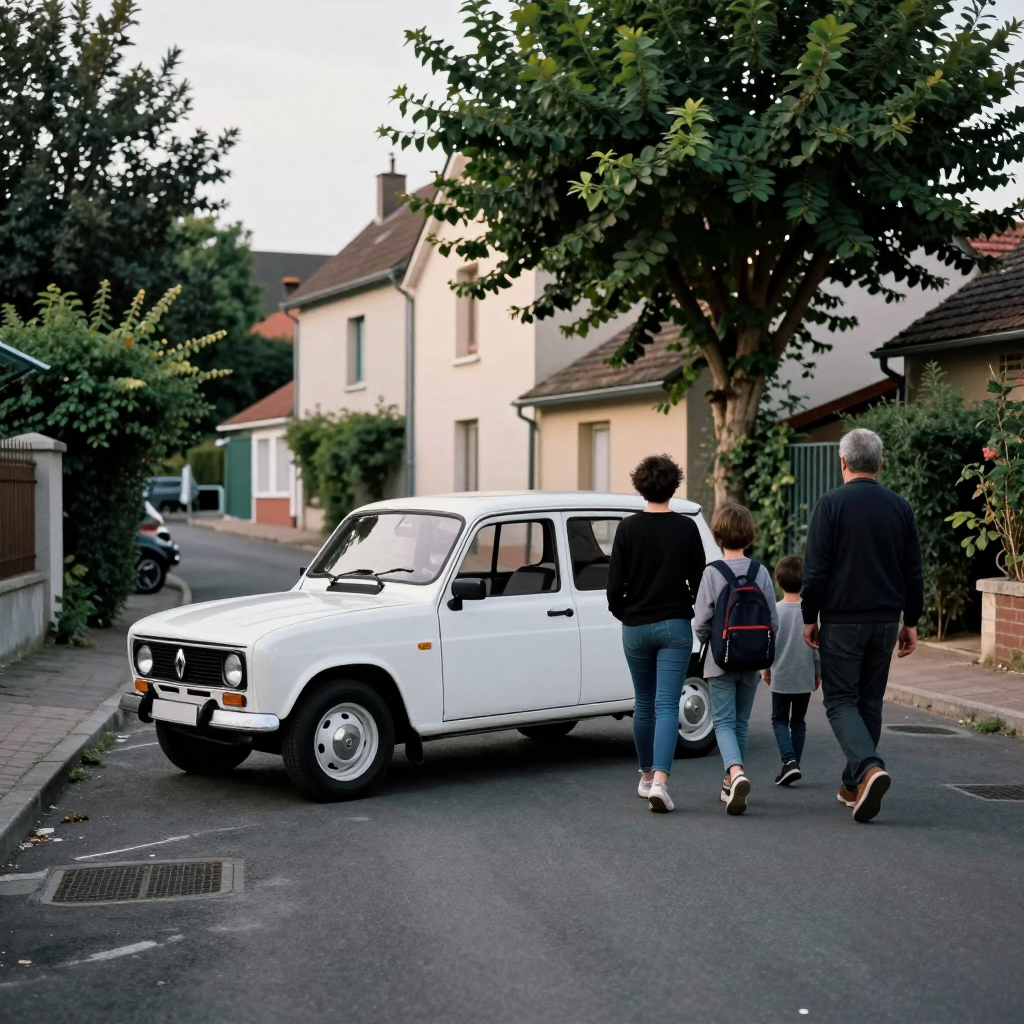
Jean set a budget of between 30,000 and 35,000 euros for his electric car and wanted a model suitable for urban areas. He preselected the Renault 4 E-Tech, Hyundai Inster, and Ford Puma Gen E. He eliminated the Renault 4 E-Tech due to poor visibility, lack of a 360-degree camera, and his wife's discomfort with the interior.Final choice and features of the Ford Puma Gen E
He also ruled out the Hyundai Inster, which he found less appealing after seeing the Ford Puma. He ultimately chose the Ford Puma Gen E in yellow Electric, obtaining it for less than 30,000 euros in the Premium trim with several features, excluding the panoramic roof. The car is equipped with a reinforced home socket for charging and specific charging networks for long trips.Charging experiences and cost considerations
Jean charges his Puma at home using a reinforced socket and uses Izivia and IECharge stations for long trips. He noted that while some sources claim electric vehicles are cheaper, he found that road travel could be more expensive. He avoids highways where fast chargers are often unreliable and prefers areas with multiple charging stations nearby, such as Bourg-Achard.Driving habits and satisfaction with the Ford Puma Gen E
Jean drives his Puma at speeds not exceeding 110 km/h on the highway, estimating a consumption of around 15 kWh/100 km. He finds the vehicle's ergonomics and screen interface lacking but is overall satisfied with the comfort, maneuverability, and ease of driving. At 76 years old, he and his wife have adapted well to the transition, finding the car easier to drive than their previous thermal vehicles.Practical aspects and public perception
Jean notes the car's spacious trunk and comfortable front seats but cautions against using the rear seats for long trips. He also mentions that the Puma Gen E is sometimes mistaken for a non-electric vehicle and has received positive reactions from others.