In Lebanon, a country currently facing multiple challenges, about 6% of its territory is under the control of the Israeli army. This situation has placed 100,000 schoolchildren at risk of losing access to education. More than 340 schools have been damaged, and 17 have been completely destroyed due to the ongoing conflict. The disruption of schooling adds to an already difficult situation for students, who have been affected by a severe economic crisis, the Covid-19 pandemic, and a war that began in 2023.
Despite the difficult circumstances, schools in southern Lebanon have started to reopen. This development comes as a ray of hope for families in the region, who are trying to maintain some sense of normalcy for their children. However, the challenges remain significant, with many families struggling to provide for their basic needs, let alone afford educational materials or transportation to school.
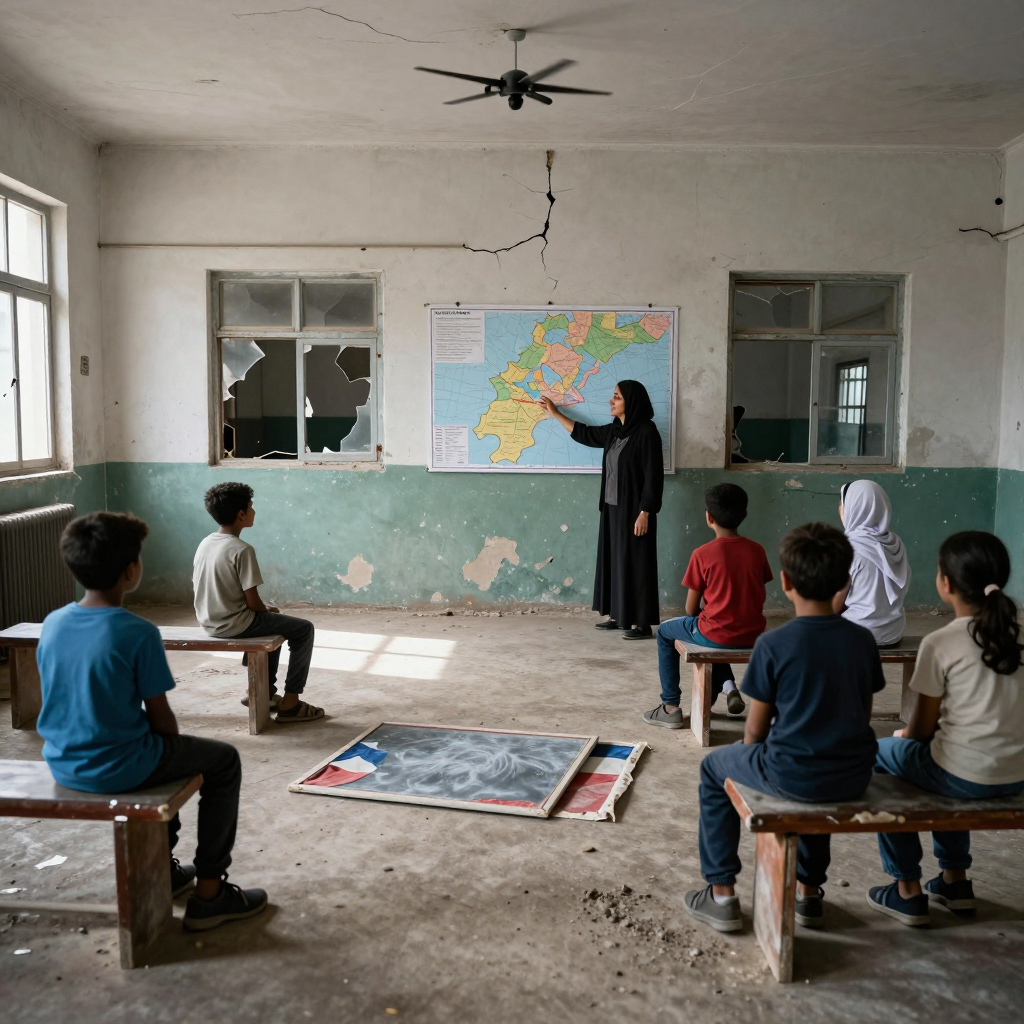
The damage to schools has not only affected the physical infrastructure but also the emotional well-being of students and teachers. Many have had to relocate or find alternative ways to continue their education, often in makeshift classrooms or under the open sky. The lack of resources and the constant threat of violence make it difficult for children to focus on their studies, even when schools are open.
Efforts are being made by local and international organizations to support the education system in Lebanon. These include providing temporary learning spaces, distributing educational supplies, and offering psychological support to affected students. However, the scale of the need is vast, and the ongoing conflict continues to pose a major obstacle to long-term solutions. For now, the return to school is a small but important step in the face of overwhelming challenges.
Lebanese Schools Face Challenges Amid Ongoing Conflict and Previous Crises
AI-rewritten from original reportingHow it works
lebanoneducationwarconflictschoolscrisis
Original sources:
- 🇫🇷RFI


